
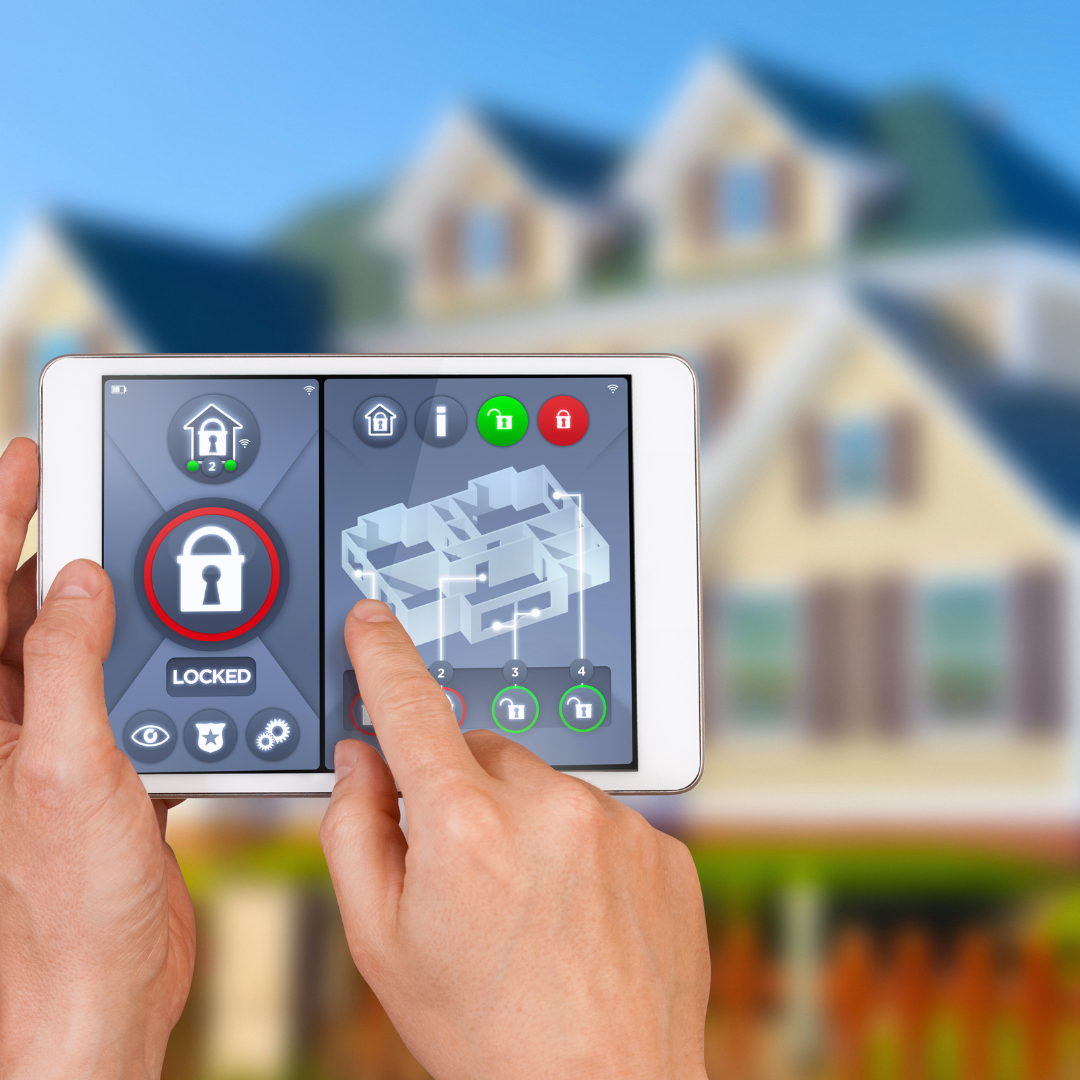
Smart technology offers practical solutions to improve home security by allowing remote monitoring and instant alerts. Devices like smart locks, cameras, and motion sensors provide real-time information and control, making it easier to protect a property.
Integrating smart devices creates a connected system that enhances safety through automation and quick responses to unusual activity. This approach minimises risks without requiring constant physical presence or complicated setups.
Readers interested in making their home more secure will find straightforward methods to use technology effectively. Understanding these options helps in choosing the right tools to suit individual security needs.
Building a Strong Foundation for Smart Home Security
A strong base is essential for effective smart home security. This involves securing the home network, maintaining smart device software, and using robust password strategies.
Choosing a Secure Home Network
The home network is the gateway for smart devices and must be reliable and secure. Selecting an internet service provider (ISP) with good security measures is the first step. They often include firewalls and malware protection as part of their packages.
Using a modern router that supports WPA3 encryption significantly improves security. Guests should connect via a separate guest network to prevent access to smart home devices. Additionally, disabling remote management on the router limits outside access, reducing vulnerabilities.
Protecting Smart Devices with Regular Updates
Smart home devices like Google Home require regular software updates. These updates patch security flaws that could otherwise allow hackers to exploit vulnerabilities. Without updates, devices become easy targets.
Users should enable automatic updates when possible. If not available, checking for firmware updates monthly is recommended. Some devices send notifications for updates; ignoring these can compromise the entire home security system.
Setting Strong Passwords and Two-Factor Authentication
Strong, unique passwords are crucial for smart home accounts. Avoid default or easily guessable passwords. Passwords should combine letters, numbers, and symbols for optimal protection.
Enabling two-factor authentication (2FA) adds an extra security layer by requiring a second verification step after a password. Many smart home platforms, including Google Home, support 2FA. This reduces the risk of unauthorised access even if passwords are compromised.
Essential Smart Security Devices for Every Home
A secure home starts with technology that controls access, monitors activity, and records footage. The right devices should be reliable, easy to manage remotely, and integrate smoothly into a home security system. Below are key tools that improve safety and provide peace of mind.
Smart Door Locks for Enhanced Entry Security
Smart door locks replace traditional keys with electronic systems controlled via smartphones or keypads. They offer features like temporary access codes, biometric scans, or automatic locking after a set time.
Users can monitor who enters or leaves the home in real time, granting or revoking access remotely. This eliminates the risk of lost keys and increases convenience for residents and trusted visitors alike.
Many smart locks integrate with other smart devices, syncing with alarms or cameras to trigger alerts if a door is forced or left unlocked. Look for locks with strong encryption and compatibility with the existing home setup.
Video Doorbells to Monitor Visitors
Video doorbells combine a camera, microphone, and speaker at the front door, allowing users to see and communicate with visitors through a smartphone app. Motion detection alerts notify when someone approaches, even if they don’t ring.
They provide a visual record of all interactions and can deter potential intruders by showing active monitoring. Some models offer night vision and cloud storage for video clips, enhancing security outside daylight hours.
Integration with home security systems allows automatic locking or turning on lights when movement is detected. Choose a device with high-resolution video and reliable two-way audio for clear communication.
Security Cameras for Indoor and Outdoor Surveillance
Security cameras cover multiple zones around the property, providing live and recorded footage accessible remotely. Outdoor cameras should be weatherproof with wide-angle lenses to cover entry points effectively.
Indoor cameras monitor key areas such as entrances and corridors, notifying homeowners of unexpected motion. Advanced models include facial recognition and smart alerts to reduce false alarms.
Many systems allow continuous recording or triggered clips based on movement and can store footage locally or in the cloud. Proper positioning and regular maintenance ensure these cameras maximise their effectiveness.
Integrating Advanced Smart Solutions
Incorporating advanced smart technology enhances home security by providing real-time alerts, improving visibility, and automating routine tasks to reduce vulnerabilities. Careful selection and placement of devices can significantly strengthen the home’s protective measures.
Alarms and Motion Sensors for Instant Alerts
Alarms paired with motion sensors detect unusual movement, triggering alerts instantly. Modern smart homes often use motion detectors that distinguish between pets and humans, reducing false alarms.
Integration with mobile devices allows homeowners to receive notifications immediately, no matter their location. Some systems offer loud sirens to deter intruders and can be connected to monitoring services.
Many sensors use infrared or ultrasonic technology to increase accuracy. Placement is critical: install motion sensors near entry points, such as doors and windows, and in hallways where intruders might pass.
Smart Lighting for Deterrence and Visibility
Smart lighting, like Philips Hue systems, provides both deterrence and safety by simulating occupancy and improving visibility outside the home. Lights can be programmed to turn on and off at specific times or triggered by motion sensors.
Bright, automatic outdoor lights discourage potential intruders by increasing the chance of detection. Indoors, smart lights can make it appear as though someone is home, even when the property is empty.
Many smart lighting systems offer remote control and integration with other security devices, allowing seamless interaction. Scheduling and adjusting brightness help balance security with energy efficiency.
Utilising Smart Plugs and Automation
Smart plugs enable automation of non-security devices, increasing unpredictability in daily routines. They can turn devices on or off remotely or on schedules, contributing to the illusion of occupancy.
Connecting lamps, radios, or TVs to smart plugs enhances home security by activating these devices during absences. Automation platforms can link smart plugs with alarms and motion sensors for coordinated responses.
These devices often support voice control and integration with smart home assistants, making them easy to manage. Using smart plugs allows users to extend security beyond traditional devices without complex installations.
Maximising Protection and Long-Term Peace of Mind
Smart technology enhances protection by integrating with existing systems, prioritising privacy, and preparing for future security challenges. Effective use of these tools requires careful updates, ongoing maintenance, and forward-thinking strategies.
Upgrading Existing Security Systems with Smart Tech
Homeowners can significantly boost their home security system’s effectiveness by integrating smart devices such as cameras, sensors, and alarms. For example, adding smart door locks allows remote access control, while motion-activated cameras offer real-time alerts directly to a phone or tablet.
Many existing systems support smart hubs or apps that unify control, making it easier to monitor and adjust settings remotely. It is important to verify compatibility before upgrades to avoid system conflicts. Regular firmware updates keep devices responsive to new threats and improve functionality.
Maintaining Privacy and Device Safety
Network security is crucial to protect data collected by smart devices. Using strong, unique passwords and enabling two-factor authentication reduces the risk of unauthorised access. Keeping software up to date ensures vulnerabilities are patched promptly.
Homeowners should segment their Wi-Fi networks, placing smart devices on a separate guest network when possible. This limits exposure if one device is compromised. Reviewing device permissions and disabling unnecessary features prevents excessive data sharing.
Future-Proofing Your Smart Home
To future-proof a smart home, users should choose devices that support open standards and regular software updates. This helps prevent obsolescence and allows integration with newer technology as it emerges.
Planning for scalability ensures new devices can be added without overhauling the entire system. Investing in hardware with strong encryption and robust network protocols also prepares the home for evolving cyber threats.