
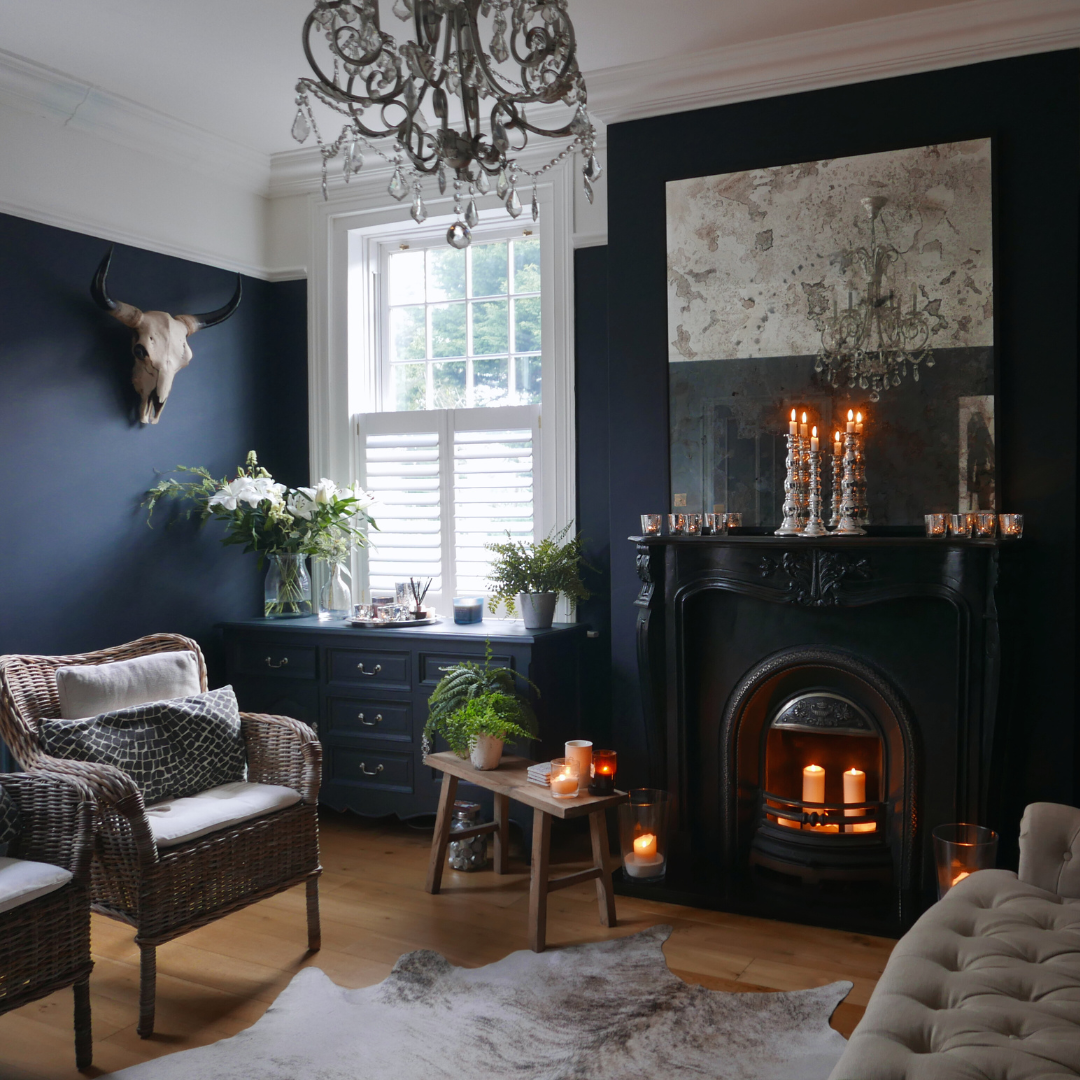
Incorporating both vintage and modern décor elements can create a unique and inviting space. Many people find that blending these styles not only adds character but also showcases personal tastes. To achieve a cohesive look, it’s essential to select pieces that harmonise well together without overwhelming the space.
When combining different eras, it’s important to find balance. This can be done by establishing a common colour palette or using complementary materials. By doing so, one can ensure that the various elements work together rather than clash, enhancing the overall aesthetic of the home.
Ultimately, the key to successful interior design lies in the thoughtful juxtaposition of old and new. By carefully selecting and arranging décor, individuals can create an engaging environment that reflects both nostalgia and contemporary flair.
Understanding the Basics of Vintage and Modern Décor
Mixing vintage and modern elements requires a solid grasp of their distinct aesthetics and the importance of balance in design. This section outlines key definitions and tips to create an appealing space.
Defining Vintage and Modern Aesthetics
Vintage décor typically features items from specific eras, such as mid-century pieces, characterised by unique craftsmanship and timeless appeal. These elements often showcase intricate details and a rich history. Common colour palettes for vintage designs include warm tones, deep hues, and bold patterns.
In contrast, modern décor is defined by simplicity and functionality. It prioritises clean lines, neutral tones, and minimal embellishments. Modern furniture often includes sleek shapes and innovative materials, creating a fresh and airy feel. The combination of these two distinct styles can create an eclectic look, appealing to those who appreciate both the old and the new.
The Importance of Balance in Interior Design
Achieving balance when mixing vintage and modern pieces is crucial. One effective method is the 80/20 rule, where 80% of the space features modern elements, leaving 20% for vintage items. This proportion helps maintain a contemporary foundation while allowing vintage accents to stand out without overwhelming the room.
Another important factor is the use of a cohesive colour palette. By selecting complementary colours, one can bridge the gap between different styles. For example, pairing vintage furniture with modern décor items in similar hues can create a sense of harmony. Maintaining clear lines and a consistent theme will enhance the overall aesthetic and make the space feel intentional and well-curated.
Selecting and Placing Key Décor Elements
Creating a harmonious blend of vintage and modern décor requires careful selection and placement of key elements. Focal points, furniture mixing, and the use of artwork are essential strategies for achieving a balanced look.
Choosing a Focal Point for Your Space
A strong focal point draws attention and sets the tone for the room. This could be a vintage piece of furniture, like an ornate sofa, or a modern statement chair.
To create balance, it’s essential to position the focal point in a way that highlights its features. For example, placing a vintage coffee table at the centre of a seating area can effectively anchor the space.
Incorporating modern lighting fixtures can enhance the focal point by adding contrast and illuminating the area. Pendant lights or sculptural lamps work well to merge the styles.
Mixing Furniture and Accessories for Visual Impact
Combining furniture styles can create visual excitement. Begin with a base of modern furniture, then layer in vintage pieces that add character.
For instance, a contemporary dining table paired with antique chairs offers a striking mix. Accessories, such as cushions or throws, can further tie together the different styles.
When choosing accessories, think in terms of colour and texture. Bold patterns in vintage cushions can complement the clean lines of modern furniture, creating a cohesive look.
Utilising Artwork and Accent Pieces
Artwork is crucial in bridging the gap between modern and vintage styles. A gallery wall featuring a mix of contemporary prints and vintage frames adds depth and interest.
Incorporating accent pieces, such as vintage vases or modern sculptures, can also enhance the aesthetic. These items should be strategically placed to draw the eye without overwhelming the space.
Consider the scale and proportion of artwork in relation to furniture. Large pieces can dominate a room, while small works can create an intimate feel. Balance is key for visual harmony.
Incorporating Textiles and Lighting
Textiles and lighting play a significant role in blending vintage and modern décor. By layering textures and selecting the right lighting, it’s possible to create a harmonious environment that enhances both styles.
Layering Textures for a Rich Look
Combining vintage textiles with modern elements adds depth to a space. Vintage rugs can anchor a room, providing a warm foundation for contemporary furniture. For instance, a plush Victorian rug works beautifully under a sleek glass coffee table.
Incorporate various materials, such as cotton, silk, and wool, to create a layered effect. Throw pillows with bold patterns can complement neutral furniture, while a vintage quilt draped over a modern sofa adds visual interest. Consider a colour palette that embraces muted tones to maintain balance.
Mix and match different designs, such as florals and geometrics, while keeping a cohesive theme. This approach showcases personality and avoids a chaotic look. Achieving variety without overwhelming the space is essential.
Harmonising Vintage and Modern Lighting
The right lighting can significantly affect the ambience of a room. A vintage chandelier can serve as a stunning centrepiece in a modern dining area. Its ornate details juxtapose contemporary table designs effectively.
Pendant lighting offers versatility, allowing the incorporation of unique vintage pieces alongside modern fixtures. Consider mixing a modern fixture with an antique bulb for added character.
Incorporate spotlights to highlight contemporary art, directing focus while softening harsh contrasts. Use dimmers to adjust brightness levels, catering to different moods and activities. Always aim to balance form and function, ensuring that each light source complements the overall décor.
Personalising Your Décor Mix
Creating a unique blend of vintage and modern elements allows for personal expression. The right approach can highlight individual style while ensuring a harmonious aesthetic throughout the space.
Reflecting Personal Style with Unique Pieces
Incorporating unique vintage accessories can significantly enhance personal style. Items like a mid-century vase or an antique clock can serve as statement pieces, drawing attention and contributing charm and character to the décor.
Mixing styles involves carefully selecting pieces that resonate with individual tastes. For instance, pairing a vintage armchair with contemporary cushions creates a cohesive look. Choosing accessories that reflect personal interests or travels can make the décor feel more intimate and inviting.
Upcycling and Adapting Vintage Finds
Upcycling vintage items is a sustainable way to personalise décor. Transforming an old dresser into a stylish media console combines function with character.
It allows for creativity. One can paint, reupholster, or modify pieces to fit modern design while retaining their history. For instance, turning vintage fabric into cushion covers or creating a gallery wall with repurposed frames adds a unique touch to any room.
Creating a Stylish and Practical Home Office
A functional home office can blend vintage and contemporary styles effectively. Incorporating a mid-century desk with modern office supplies balances aesthetics and practicality.
Adding vintage accessories like an old globe or retro desk lamp can infuse character into the space. Creating a visually appealing yet organised workspace enhances productivity and makes the office feel personal and stylish.
Utilising colour schemes that reflect personal preferences can tie everything together, ensuring that the home office remains both functional and a representation of one’s individuality.