
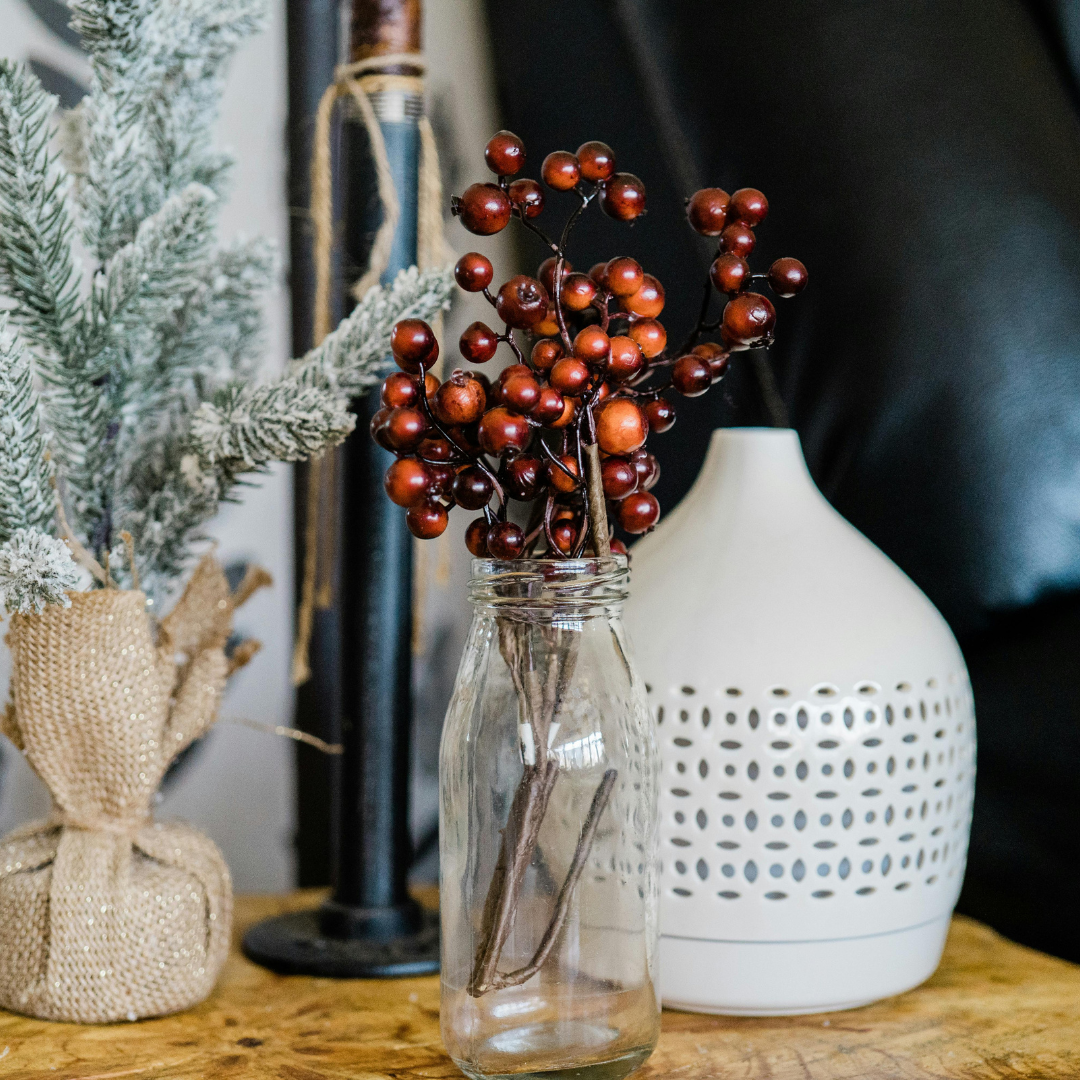
Decorating on a tight budget doesn’t mean sacrificing style or quality. The key is to prioritise smart choices that maximise impact while minimising costs. This approach allows anyone to transform a space without overspending or compromising on personal taste.
Simple strategies, such as repurposing existing items, choosing versatile pieces, and focusing on small but meaningful details, can make a significant difference. Thoughtful planning and creativity help create a well-designed room, even with limited funds.
By understanding where to invest and where to save, anyone can achieve a balanced, attractive look that feels fresh and intentional. These techniques provide practical solutions for affordable decorating without cutting corners.
Establishing Your Decorating Vision and Budget
A solid plan anchors any budget-conscious decorating effort. Defining what matters most and organising inspiration makes it easier to allocate money wisely and avoid impulse spending.
Setting Clear Priorities for Your Space
He or she should begin by identifying the primary function of the room. For example, is it a relaxing lounge, a productive workspace, or a family dining area? This focus guides all material and furniture choices.
Next, list essentials versus nice-to-haves. Furniture like sofas or desks takes precedence over purely decorative items. Prioritising durability and multi-purpose use saves money in the long run.
Knowing specific needs reduces unnecessary purchases. This sharp focus will support budget home decorating efforts by stretching funds toward impactful improvements first.
Creating a Mood Board for Inspiration
Collecting visual references helps clarify the desired style and colour scheme. He or she can use physical boards or digital tools like Pinterest to gather fabrics, paint colours, and furniture images.
Organising ideas visually reveals patterns and prevents random choices. It ensures consistency, which can elevate the look without expensive accessories.
Tip: Include budget-friendly options such as DIY projects or second-hand items to test how they fit the overall vision before buying.
A mood board becomes a practical tool for shopping and prevents overspending on styles that don’t align with the vision.
Allocating Funds for Maximum Impact
Dividing the total budget into categories ensures money goes where it will be most noticeable. For example:
| Category | Suggested Percentage |
| Furniture | 40% |
| Paint and Decor | 20% |
| Lighting | 15% |
| Textiles | 15% |
| Miscellaneous | 10% |
He or she should adjust percentages based on priorities but keep tracking spending closely.
Investing more in long-term items like furniture and lighting delivers better value, while small touches can come from discount or craft sources.
Clear financial boundaries support effective decorating on a budget by eliminating overspending risks.
Creative and Resourceful Decorating Strategies
Effective decorating on a tight budget requires clever methods that maximise available resources and creativity. Approaches like reusing existing items, finding bargains, and adding personal handmade touches help maintain style without extra costs.
Repurposing and Upcycling Existing Items
Repurposing transforms old or unused items into functional decor. For example, an old ladder can become a bookshelf or blanket holder. Upcycling furniture with paint or new upholstery refreshes pieces without the expense of buying new.
Small changes like swapping knobs on cabinets or framing fabric swatches as wall art can provide a fresh look. These adjustments use what’s already on hand, reducing waste and cost while adding unique character.
Smart Thrift Shopping and Sourcing Pre-Loved Pieces
Thrift stores and charity shops offer affordable decor options. Buyers should look for sturdy furniture, decorative accessories, and artwork with potential for minor restoration or personalisation.
Checking local online marketplaces can reveal vintage or free items, which can be excellent budget-friendly additions. Patience and frequent visits increase the chance of finding quality items at low prices.
Utilising Free Printables and Artwork
Free printables are downloadable templates or artwork available online at no cost. Websites offer patterns, quotes, and decorative prints suitable for framing, allowing immediate budget-friendly wall decor.
Printing on quality paper and using simple frames enhances appeal. This method offers customised decor options without the cost of purchasing artwork, fitting various home styles and themes.
Incorporating Handmade Elements
Adding handmade decor introduces uniqueness and personal style. Simple crafts like sewn cushion covers, painted jars, or hand-thrown ceramics create affordable yet original pieces.
DIY projects also allow control over materials and colour schemes. These elements can blend well with existing decor and offer a satisfying way to decorate without overspending.
Cost-Effective DIY Projects for a High-End Look
Affordable home decorating can feel upscale with a few targeted projects. Enhancing furniture, creating custom wall art, and upgrading soft furnishings improve style while keeping costs low.
Transforming Furniture with Paint and Hardware
Repainting old furniture instantly modernises a room. Using chalk paint or matte finishes transforms surfaces without needing extensive prep work. Light colours like white, cream, or pastel tones open up space and create a fresh look.
Swapping handles and knobs is another simple upgrade. Replace dated hardware with brushed brass, matte black, or crystal knobs for a high-end touch.
To avoid extra cost, reuse glaze or varnish to add texture. Sanding edges slightly after painting adds a subtle vintage effect that feels intentional.
Adding Style with DIY Wall Art and Decor
Create personalised wall art using inexpensive materials like canvas, paper, or reclaimed wood. Abstract paintings, geometric patterns, and materials like glitter heart magnets can add subtle charm.
Framing fabric swatches or wallpaper samples offers a polished, custom look at a fraction of gallery prices.
Decorative shelves can hold small plants or budget home decorating accents to make spaces feel curated and intentional. Grouping items by colour or theme enhances appeal without extra expense.
Simple Soft Furnishings Upgrades
Changing soft furnishings creates impact without a full furniture overhaul. Sewing or buying cushion covers in neutral colours with subtle textures elevates the room.
Layering throws and pillows in various textures, such as linen, wool, or faux fur, adds warmth and sophistication.
For a low-cost upgrade, consider DIY piping on cushions or adding simple trims in contrasting colours. These small details make affordable decor feel thoughtfully crafted.
Maximising Style Without Compromise
Creating a stylish home on a tight budget requires thoughtful choices in colour, lighting, and space management. Freshening up the decor seasonally also helps maintain a vibrant atmosphere without large expenses.
Strategic Use of Colour and Lighting
Colour can redefine a space instantly. Using a limited palette of neutral tones with strategic bright accents keeps costs down while adding personality. Walls painted in soft greys or creams create a clean backdrop for bold cushions or art.
Lighting plays a crucial role in setting the mood. Affordable LED bulbs with adjustable brightness improve both energy efficiency and ambience. Placing mirrors opposite light sources boosts natural light, making rooms feel larger and more inviting without extra spending.
Decluttering to Enhance Space
Removing clutter transforms a room’s appearance dramatically. A tidy space feels larger and more relaxing. Items should be stored efficiently or donated if unused.
Using storage furniture like ottomans or built-in shelves combines practicality with style. Clear surfaces allow existing furnishings to stand out, highlighting their design without the need to buy new pieces.
Seasonal Updates for Freshness
Small, seasonal changes refresh a room’s look without overspending. Swapping cushion covers, throws, or curtains in affordable fabrics adapts the decor to the time of year.
Incorporating natural elements such as plants or fresh flowers adds colour and texture. These adjustments keep the home feeling current with minimal investment while avoiding costly renovations.