
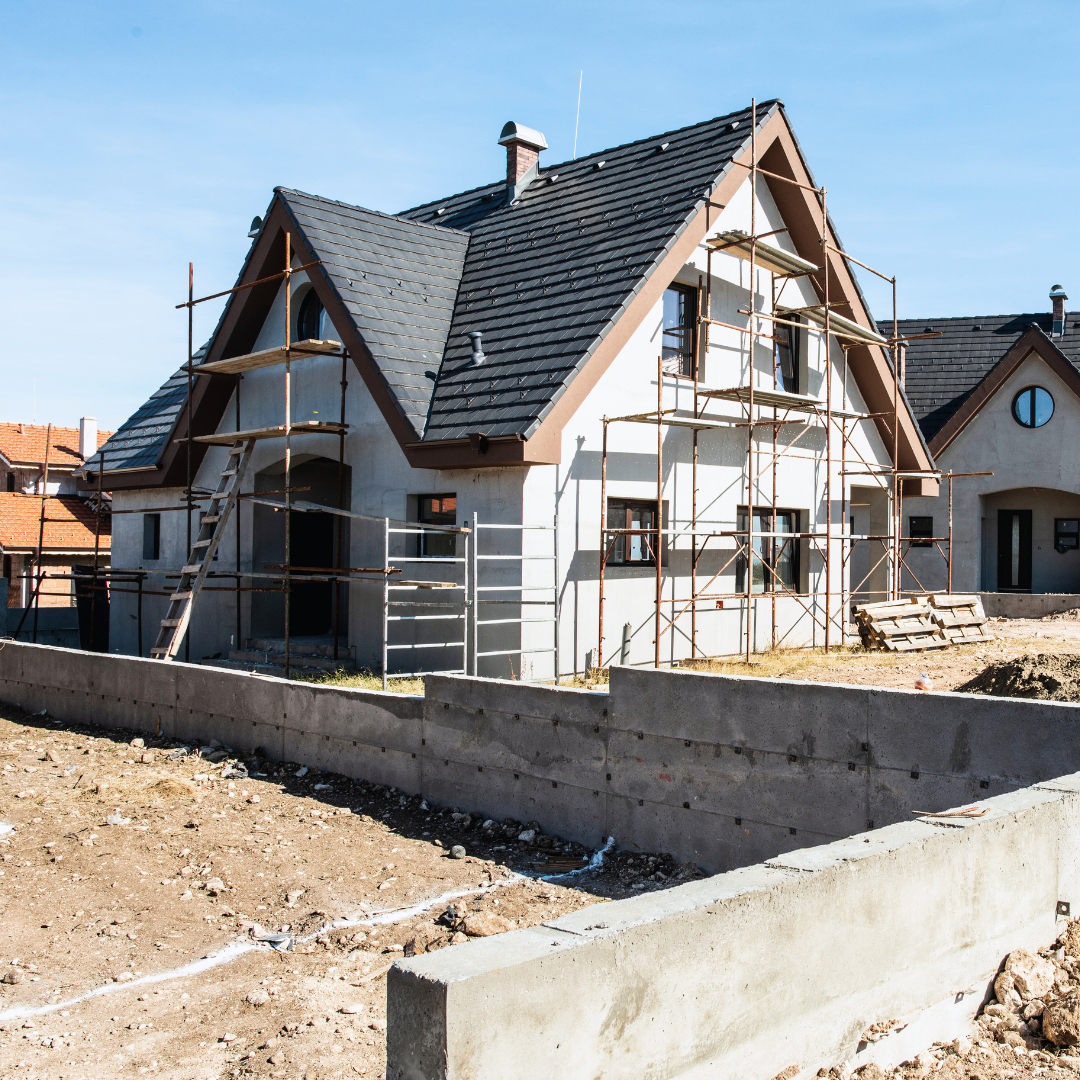
Big home projects can feel overwhelming and exhausting, causing motivation to fade quickly. The key to staying motivated is setting clear, manageable goals and breaking the work down into smaller, achievable steps. Focusing on progress rather than perfection helps maintain momentum throughout the entire project.
It is also important to create a realistic schedule and celebrate small wins along the way. This approach prevents burnout and keeps energy levels steady, making the larger task seem less daunting.
By understanding these practical strategies, anyone can maintain focus and drive, even when faced with a lengthy and demanding home project.
Setting Clear Goals for Big Home Projects
Setting clear and specific goals helps maintain motivation and focus during complex home improvement tasks. Clarity in vision, breaking the work into manageable parts, and tracking progress prevent overwhelm and encourage steady advancement.
Establishing a Project Vision
A clear project vision defines what the completed home project looks like and why it matters. This vision should include practical aspects such as design style, functionality, and budget limits.
It helps to write down the vision and visualise the finished space. This keeps motivation strong by providing a concrete outcome to work towards throughout the DIY journey.
The vision also serves as a reference point for decisions, ensuring choices stay aligned with the initial goals, reducing wasted effort and frustration.
Breaking Down Tasks into Milestones
Large home projects often become overwhelming without breaking them into smaller, achievable milestones. These milestones act as checkpoints, keeping the work structured and manageable.
Tasks can be grouped by room, phase, or material type depending on the project’s nature. Each milestone should have clear deliverables, such as completing plumbing or painting a room.
Identifying these small wins sustains motivation by giving a sense of accomplishment along the way.
Tracking and Measuring Progress
Keeping track of progress provides clear evidence of achievements and areas needing attention. Methods range from simple to-do lists to detailed spreadsheets or project management apps.
Regularly updating progress helps maintain momentum and quickly highlights delays or issues. Visual aids like charts or photographs of before and after work reinforce satisfaction.
Tracking also aids in budgeting by monitoring materials used against planned costs, helping to prevent overspending during the home improvement project.
Maintaining Motivation and Inspiration
Sustaining energy and enthusiasm during large home projects requires practical tactics. Visual aids, social connections, and recognising progress all play significant roles in keeping momentum strong throughout the process.
Using Vision Boards and Visual Tools
A vision board helps keep clear goals in sight and maintains focus. It can include images, samples, and colour palettes related to the project’s desired outcome. DIY enthusiasts find that updating this board regularly rekindles their creative fire and commitment.
Digital tools like apps or online pinboards also serve this purpose. They allow quick access and easy modification. By reviewing their vision board daily, individuals reinforce motivation with a tangible, goal-oriented reminder.
Staying Inspired Through Community and Support
Connecting with others undertaking similar home projects can boost morale. Online forums, social media groups, and local community workshops offer advice, encouragement, and practical tips. This exchange helps maintain motivation by reducing feelings of isolation.
Peer feedback offers fresh ideas and perspectives, often reigniting one’s passion. Regular communication with a supportive community encourages persistence, especially when challenges arise during the project.
Celebrating Small Wins
Acknowledging each step completed helps maintain sustained motivation. Breaking the project into manageable tasks creates frequent opportunities for success. Celebrating these smaller victories fuels ongoing enthusiasm and reinforces confidence.
Examples include finishing a wall, installing a fixture, or completing a painted section. Recognising progress in clear, measurable terms prevents discouragement and keeps the project moving steadily forward.
Developing a Positive and Resilient Mindset
Maintaining motivation during a big home project requires consistent habits, flexibility in facing obstacles, and reinforcing confidence through self-talk. These elements can transform challenges into manageable tasks and keep enthusiasm alive throughout the process.
Building a Daily Routine
Creating a daily routine offers structure, which is essential for staying motivated in long-term DIY projects. Setting specific goals for each day—such as completing a section of painting or organising materials—helps track progress clearly.
Consistency in start times and work periods supports focus and reduces procrastination. Including short breaks prevents burnout and keeps energy levels steady. A routine can also incorporate preparation steps, like reviewing plans or prepping tools, which saves time during active work sessions.
Adapting to Change and Overcoming Setbacks
Big projects often encounter unexpected issues, from material delays to design revisions. Accepting change as part of the process allows individuals to maintain momentum instead of becoming discouraged.
Problem-solving skills are crucial; strategising alternatives or adjusting timelines can prevent feelings of overwhelm. Breaking setbacks into smaller, solvable problems keeps progress visible. Flexibility reduces frustration and improves resilience, which ultimately aids in completing complex home improvements.
Practising Positive Affirmations
Using positive affirmations supports a constructive mindset during lengthy projects. Repeating clear, simple statements like “I am capable of finishing this” or “Each step brings me closer to my goal” reinforces focus and confidence.
Affirmations counteract negative thoughts common in challenging phases, such as doubt or impatience. Including phrases specific to crafting or DIY work anchors motivation to the project itself. Regular practice, especially at the start of work sessions, enhances persistence and enjoyment.
Rewarding Progress and Sustaining Long-Term Engagement
Maintaining motivation during large home projects requires recognising milestones and managing energy. Setting achievable targets and creating a rhythm between work and rest helps keep momentum steady.
Designing a Personal Reward System
A personal reward system turns progress into motivation. He or she should identify meaningful rewards tied to specific goals, such as enjoying a favourite meal after completing a room or buying a small item to mark a stage in the DIY journey.
Rewards must be realistic and balanced to avoid undermining the project’s schedule. Tracking progress visually, using checklists or progress charts, reinforces the connection between effort and reward. This approach fuels continued engagement without waiting for the entire project to finish.
Balancing Rest and Productivity
Sustained motivation depends on balancing focused work periods with regular breaks. Short, scheduled rests prevent fatigue and reduce the risk of burnout.
He or she should plan work intervals, such as 45-minute bursts followed by 10-15 minute breaks. Proper rest supports physical and mental endurance, especially in labour-intensive tasks. Prioritising sleep and healthy habits also ensures consistent energy levels throughout the project timeline.
Reflecting on Achievements
Regular reflection on completed tasks helps consolidate progress. Taking time to acknowledge small wins, like finishing a wall or installing a fixture, builds confidence and clarifies the project’s trajectory.
Documenting these achievements with photos or notes allows for tangible proof of advancement. This practice supports long-term engagement by reminding him or her of the value and impact of their efforts, reinforcing the desire to continue.