
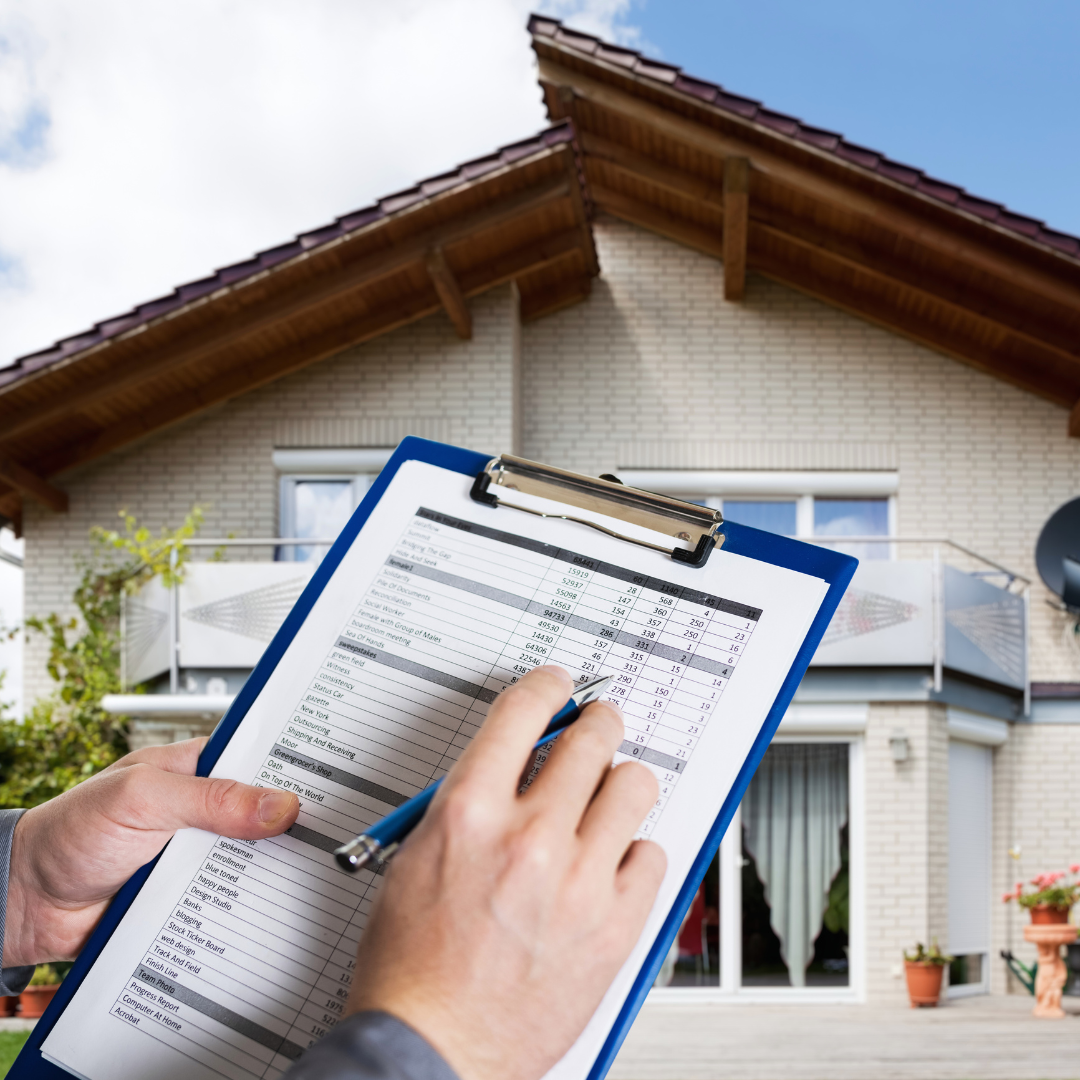
Many investors overlook properties that seem unremarkable at first glance. However, recognising potential in these homes requires understanding key indicators beyond superficial flaws. The ability to spot structural integrity, location advantages, and renovation possibilities allows one to identify hidden value in overlooked properties.
These properties often come with lower price tags and less competition, making them ideal for those willing to look deeper. By focusing on aspects such as neighbourhood trends, layouts, and repair needs, it becomes easier to determine which homes are worth the investment.
Recognising potential is about assessing what the property could become rather than what it currently is. This perspective can turn an ignored asset into a profitable opportunity.
Key Characteristics of Overlooked Properties
Overlooked properties often show clear signs that scare off some buyers but hold strong potential for those who know where to look. These buildings can mask value through visible flaws or unconventional layouts, as well as through outdated energy ratings.
Recognising Cosmetic Issues Versus Structural Problems
Cosmetic issues include paint peeling, worn carpets, or dated fixtures, which rarely affect a property’s core value. These are often easy to fix with a moderate budget, turning a hidden gem into a desirable home.
Structural problems are more serious, involving foundations, roof integrity, or damp issues. They require professional inspection and can significantly increase renovation costs. A Victorian terrace with external cracks or uneven floors demands caution and expert advice before purchase.
Careful assessment distinguishes between surface repairs and costly faults, ensuring buyers focus on properties with genuine potential rather than exhaustive problems.
Identifying Untapped Spaces and Layout Opportunities
Many overlooked properties have underused spaces that can be transformed to maximise living area and value. Examples include converting lofts, basements, or side-return extensions typical in Victorian terraces.
Open-plan redesigns often reveal flow improvements by removing non-load-bearing walls. This unlocks more natural light and better room proportions without major construction.
Buyers should look for layouts that respond well to modification. Properties with awkward or small rooms might be prime candidates for creative space use, increasing practicality and appeal without full rebuilds.
Evaluating Energy Efficiency and EPC Ratings
Energy efficiency is key when assessing overlooked homes. A low EPC rating flags high running costs and potential environmental issues, but also points to opportunities for improvement.
Upgrading insulation, windows, and heating systems can raise EPC scores, reduce bills, and add market value. Some Victorian terraces have solid brick walls that impede energy efficiency but allow improvements with internal or external insulation.
Investors evaluating EPC reports can estimate the cost-benefit ratio of energy upgrades, making overlooked properties financially viable despite initial inefficiencies.
Analysing Location and Area Potential
Location remains a key factor in identifying overlooked properties with growth potential. By examining emerging neighbourhood dynamics, transport projects, and socioeconomic shifts, investors can uncover valuable opportunities that traditional markets may miss.
Spotting Up-and-Coming Areas and Regeneration Zones
Up-and-coming areas often show signs like increasing business openings, rising rental demand, and local government regeneration initiatives. For example, Margate has seen a cultural rebirth with art projects and new cafes attracting younger residents, pushing property interest upward.
Investors should monitor council plans for regeneration zones, where funding often targets housing, public spaces, and services. These interventions boost property prices over time. Checking planning permissions and local news can reveal early-stage regeneration before prices spike.
Assessing Transport Links and Infrastructure Projects
Transport improvements directly affect property values. The UK’s HS2 project, for instance, is set to transform connectivity in linked regions, creating demand for housing near new stations.
Properties close to transport hubs or future infrastructure are more likely to appreciate. Look for areas with planned upgrades to roads, rail, or bus services. Accessibility improvements reduce commute times, making locations more attractive to buyers and tenants.
Understanding the Impact of Gentrification
Gentrification drives changes in neighbourhood demographics, often increasing property values through refurbishment and business growth. However, it can be uneven and create pricing volatility.
Analysing local income levels, new commercial ventures, and demographic shifts provides insight into the stage. Investors should seek areas where gentrification is progressing steadily, not just starting or declining, to balance risk with growth potential.
Due Diligence and Assessment Strategies
Careful analysis is essential to identify true potential in overlooked properties. This includes examining market data, verifying legal permissions, and seeking professional advice to ensure sound investment decisions.
Reviewing Property Listings and Market Timing
When reviewing property listings, platforms like Zoopla offer up-to-date market data. He or she should look for properties with a longer time on market, as these often signal motivated sellers or overlooked value.
Timing is important. Buying during quieter market periods might yield better prices, but thorough research on local trends is necessary. Comparing prices and the history of similar properties provides insight into realistic valuation.
He or she should also consider the condition and location details provided, focusing on homes that may need cosmetic updates rather than structural repairs.
Checking Planning Permission and Local Regulations
Before investing, verifying planning permission status is crucial. Local planning regulations can restrict or permit extensions, conversions, or other improvements that add value.
Contacting the local planning authority or checking online portals helps confirm if previous permissions exist or if applications are pending. Unauthorised works risk costly enforcement actions.
Building regulations compliance is another factor. He or she must ensure the property meets safety and structural standards, affecting potential renovation costs and future resale.
Working with Estate Agents and Surveyors
Estate agents can offer valuable insights into seller motivation and market conditions. He or she should engage agents specialising in the local area to uncover opportunities not widely advertised.
A surveyor’s report is vital for assessing structural integrity and hidden defects. A chartered surveyor provides a detailed overview beyond a basic homebuyers report, highlighting issues that affect price or safety.
Combining expert advice with agent knowledge improves risk assessment and negotiation strength, especially with motivated sellers willing to negotiate.
Maximising Value Through Improvements
Addressing critical areas such as budgeting renovation costs, enhancing the visual appeal of the property, upgrading bathrooms, and improving natural lighting can significantly increase the value of overlooked properties. Focusing on practical changes that align with market expectations drives better returns and attracts more potential buyers.
Calculating Renovation Costs and Budgeting
Accurate budgeting is essential before starting any renovation work on an undervalued property. Estimating material costs, labour, and potential unexpected expenses early on prevents overspending. It’s advisable to allocate at least 10-15% of the total budget as a contingency for surprises during the renovation.
A detailed breakdown should include:
| Renovation Aspect | Estimated Cost (£) |
| Structural Repairs | 3,000 – 8,000 |
| Cosmetic Upgrades | 2,000 – 5,000 |
| Bathroom Refurbishment | 2,500 – 6,000 |
| External Works | 1,000 – 4,000 |
He or she should also compare these costs against the expected increase in property value to ensure the improvements are financially viable.
Enhancing Curb Appeal and Landscaping
First impressions matter. Improving curb appeal can add up to 7% to the property’s market value. Simple improvements such as repainting the front door, repairing fences, and cleaning pathways offer high impact at low cost.
Landscaping should focus on well-maintained lawns, trimmed bushes, and adding seasonal flowers to provide colour. If space allows, creating a small seating area or tidy planting beds increases usability. These visible external improvements signal good maintenance and attract buyers.
Implementing Bathroom Upgrades and Solar Panels
Modern, functional bathrooms significantly add value to a property. Installing new fixtures like water-efficient toilets, sleek taps, and frameless shower screens improves appeal. Even small upgrades, such as replacing dated tiles or adding contemporary lighting, make a strong difference.
Adding solar panels can also increase value by lowering energy bills and appealing to eco-conscious buyers. It is important to verify installation costs, typical payback periods, and potential local incentives when considering solar power as an upgrade.
Harnessing Natural Light and Open-Plan Living
Natural light enhances space perception and mood. Increasing window sizes, adding skylights, or using light-coloured finishes brighten up rooms effectively. Open-plan layouts that combine living, dining, and kitchen areas can make smaller or older properties feel more spacious and practical.
Removing non-structural walls to create flow between rooms generally boosts market interest. Prioritising natural light and open-plan designs aligns with current buying trends and maximises usability without extensive structural alterations.