
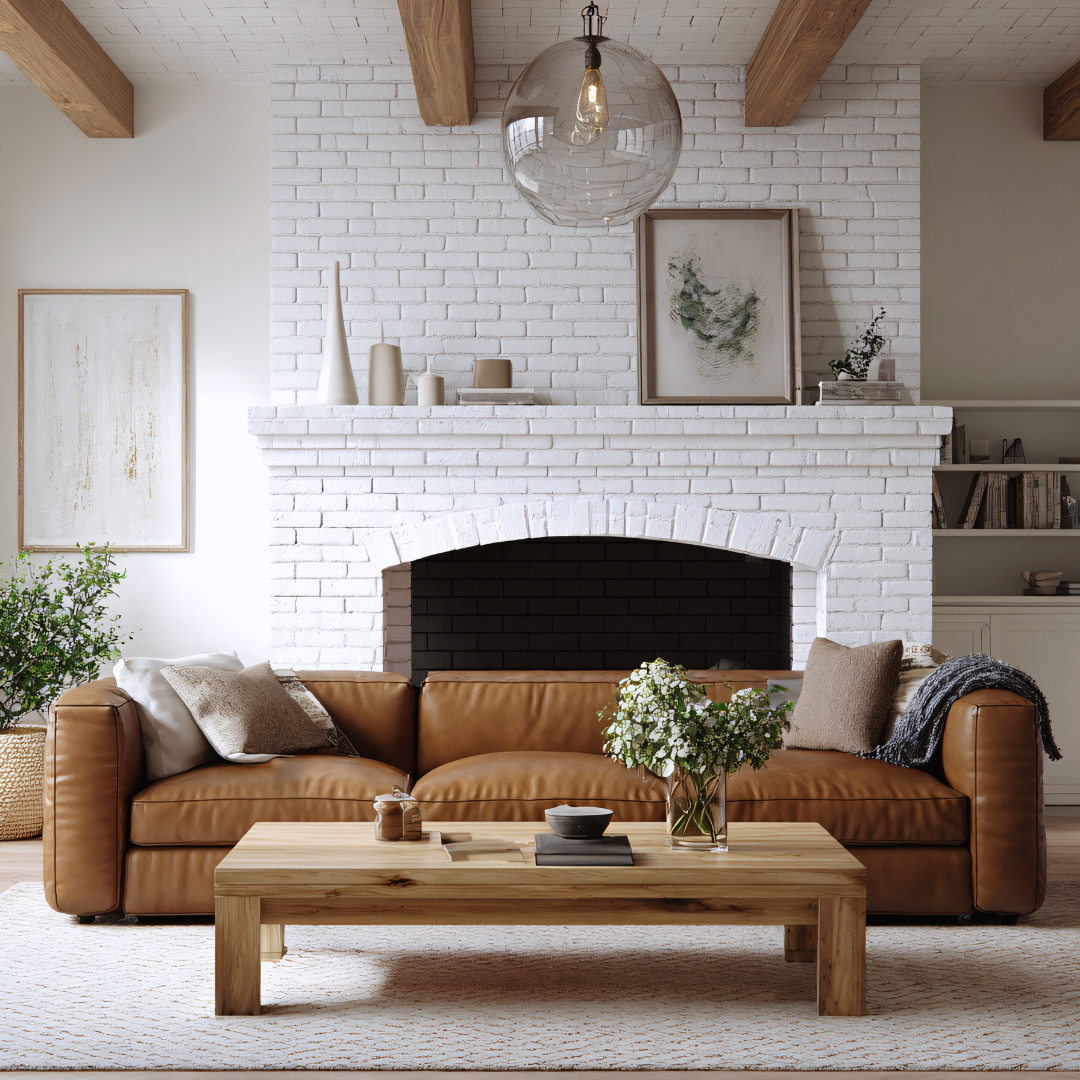
Minimalist home styling focuses on simplicity, functionality, and creating a calm environment. It involves choosing essential pieces, using neutral colours, and removing unnecessary clutter to make spaces appear larger and more organised.
The key is to prioritise quality over quantity and allow each item to serve a purpose, contributing to a cohesive and balanced look. This approach not only enhances the aesthetic but also promotes ease of maintenance.
By applying these straightforward principles, anyone can achieve a minimalist style that feels both modern and timeless. The following tips will guide readers through practical steps to transform their homes efficiently.
Core Principles of Minimalist Home Styling
Minimalist home styling centres on clear, functional spaces with thoughtful choices in design and furnishings. It emphasises simplicity, deliberate living, and investing in items that truly add value.
Understanding Minimalism in Home Design
Minimalism in home design focuses on removing visual clutter to create a calm and open environment. It incorporates clean lines, neutral colour palettes, and natural light to highlight the space itself rather than decoration.
Rooms avoid excess furniture and ornaments, favouring open areas and essential pieces that serve multiple purposes. Materials like wood, glass, and metal are common for their simplicity and durability. This approach creates a balanced, uncluttered atmosphere that feels spacious and organised.
The Minimalist Lifestyle vs. Minimalist Aesthetic
The minimalist lifestyle involves reducing possessions and distractions to focus on what matters most, both practically and mentally. This contrasts with the minimalist aesthetic, which is primarily about the visual simplicity and design of the home environment.
While the aesthetic can be achieved through careful styling and décor, the lifestyle requires a more profound shift in consumption habits and personal priorities. A minimalist home often reflects this lifestyle by avoiding impulse purchases and valuing meaningful belongings.
Prioritising Quality Over Quantity
Minimalist home styling values quality over quantity to ensure that each item is durable, functional, and timeless. Investing in timeless pieces means selecting furniture and décor that will not quickly go out of style or wear down.
This approach reduces waste and avoids the need to frequently replace items. By focusing on fewer, well-made products, the home feels more intentional and enduring, which aligns with the minimalist ethos of simplicity and sustainability.
Decluttering and Creating Space
Creating a minimalist space relies on regular decluttering and prioritising clear surfaces. Maintaining order requires practical steps, from sorting possessions to adopting habits that prevent clutter buildup.
Decluttering Techniques and Tips
He should start by categorising belongings into keep, donate, recycle, or discard. Using the Four-Box Method helps make decision-making clearer. It divides focus into these boxes instead of random sorting.
Setting short time limits, like 15 minutes per session, prevents feeling overwhelmed. It is effective to tackle one room or specific area at a time, for example, a single drawer or shelf.
He can also apply the “one in, one out” rule to keep possessions balanced. This means for every new item brought in, another must be removed, helping sustain a minimalist environment.
The Decluttering Checklist
A decluttering checklist ensures nothing essential gets missed. It should include:
- Wardrobes and clothing
- Kitchen counters and cupboards
- Living room surfaces and storage
- Bathroom cabinets and toiletries
- Paperwork and mail piles
- Digital files and electronics
He can tick off completed areas to stay organised. Prioritising zones that accumulate the most clutter boosts efficiency. Checking both visible spaces and hidden storage is vital to avoid overlooked mess.
Establishing Clear Surfaces
Clear surfaces are a hallmark of a minimalist space. He should remove non-essential items from tables, shelves, and countertops daily. This visual clarity helps rooms feel more open and calm.
Minimalist homes often feature a single decorative piece instead of many objects. For example, a plant or a framed photo on a side table adds personality without crowding.
Storage solutions like baskets or trays contain necessary items without cluttering. Keeping these containers tidy encourages the habit of returning items to their place immediately.
Maintaining a Clutter-Free Environment
Maintaining a clutter-free environment depends on consistent routines. Daily habits such as putting things away immediately and conducting weekly tidy-ups prevent clutter from accumulating again.
He can designate specific spots for frequently used items like keys, mail, and bags. This reduces time spent searching and avoids random piling.
Reviewing possessions periodically also helps; quarterly or biannual decluttering sessions can catch items no longer needed. Keeping only what has a clear purpose ensures the minimalist space remains functional and neat.
Design Elements and Room Features
Minimalist home styling focuses on simplicity, balance, and practicality. Key elements include a muted colour palette, abundant natural light, furniture that serves clear purposes, and natural materials that add subtle texture and warmth.
Choosing Neutral Colours and White Walls
Neutral colours create a calm and timeless backdrop essential for minimalist interiors. Whites, soft greys, and beige tones are preferred, particularly on walls, as they help to visually expand the space and reflect light effectively.
Choosing matte or eggshell finishes for white walls avoids glare and adds depth without distraction. Accent colours should be minimal and muted, avoiding strong contrasts to maintain cohesion and serenity.
Neutral tones allow furnishings and décor to stand out through texture rather than colour. The simplicity of white or off-white walls supports a clean aesthetic without appearing sterile.
Embracing Natural Light
Natural light is a cornerstone of minimalist design, enhancing space and creating a welcoming atmosphere. Large windows and unobstructed views are optimal for maximising daylight exposure.
Sheer white curtains or blinds can diffuse sunlight without blocking it, balancing privacy and brightness. Positioning mirrors opposite windows also helps to multiply natural light and visually enlarge the area.
Artificial lighting should complement natural light, using soft, warm LEDs with clean fixtures. Keeping window frames simple and unadorned allows light to penetrate without unnecessary interruption.
Selecting Functional Furniture
Functionality guides furniture choices in minimalist homes. Pieces must serve practical purposes, preferably multi-functional, with clean lines and minimal ornamentation.
Furniture made from natural wood often balances minimal design with warmth and durability. Low-profile sofas, simple tables, and built-in storage units prevent clutter and maintain open spaces.
Quality over quantity is emphasised. Each item should justify its presence in the room, ensuring enough seating and surface space without crowding or redundancy.
Incorporating Natural Materials and Texture
Minimalism does not exclude tactile interest; natural materials add subtle texture and depth. Wood, stone, wool, and linen introduce warmth and sensory contrast within a restrained palette.
Using natural wood in flooring, furniture, or exposed beams reinforces a connection to nature. Textured throws or cushions in neutral tones enrich the space without disrupting simplicity.
Attention to the natural qualities of materials, like grain or weave, enhances visual appeal while preserving the minimalist ethos. This approach avoids flatness and creates a balanced, inviting interior.
Smart Storage and Thoughtful Details
Effective storage and subtle design choices are essential for a minimalist home. They help maintain order and create calm spaces without overcrowding or unnecessary decoration.
Utilising Storage Solutions and Hidden Compartments
Smart storage solutions are key to minimalism. Furniture with built-in storage, like beds with drawers beneath or shelves recessed into walls, prevents clutter by keeping items out of sight. Hidden compartments in everyday furniture add practicality without compromising style.
Using vertical space with wall-mounted shelves or cupboards reduces floor clutter. It’s important to choose pieces that blend seamlessly with the room’s colour scheme and lines to maintain a clean aesthetic.
Storage Ottomans and Multi-Purpose Pieces
Storage ottomans offer both seating and concealed storage, perfect for minimalist living rooms or bedrooms. Their dual function reduces the number of furniture items needed, keeping spaces uncluttered.
Multi-purpose furniture, like coffee tables with drawers or fold-out desks, provides functionality while preserving clean surfaces. Selecting pieces with simple designs and neutral colours supports a cohesive minimalist look.
Minimalist Décor Choices
Minimalist décor focuses on simplicity and function. Items should have a clear purpose or enhance the overall room design without overwhelming it.
Opt for a restrained colour palette with natural materials like wood, metal, or glass. Avoid excessive decorations; instead, choose one or two statement pieces that reflect personal style without adding visual noise.
Finishing Touches: Accent Walls, Sheer Curtains, and Blinds
An accent wall in a muted tone or subtle texture can add depth without distracting from simplicity. It offers visual interest while maintaining a minimalist feel.
Sheer curtains allow natural light to filter softly, keeping rooms bright and airy. Blinds provide clean lines and efficient light control, especially in functional spaces. Both contribute to uncluttered windows and enhance overall room harmony.