
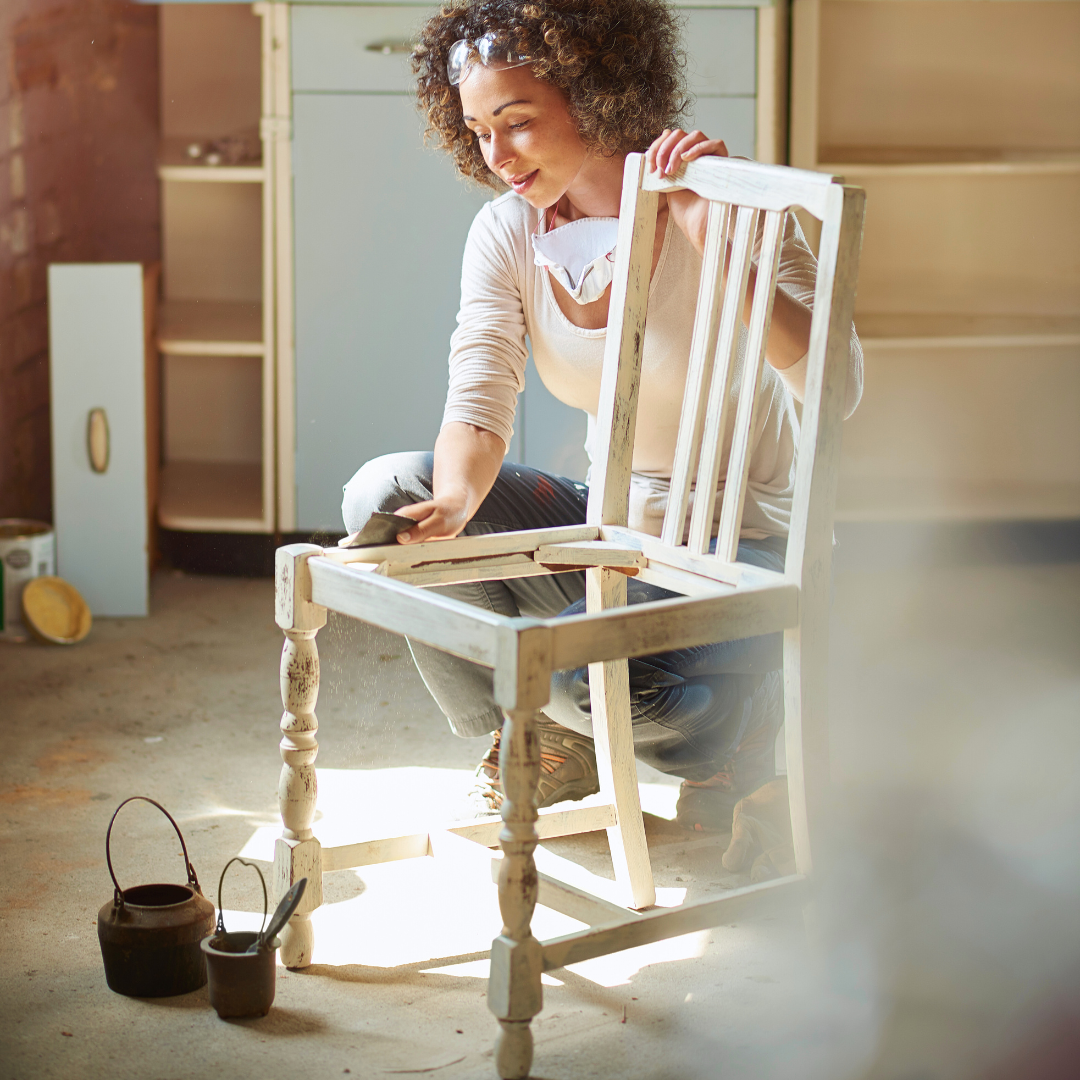
Upcycling old furniture into stylish centrepieces is a practical way to refresh a space without buying new items. By sanding, painting, and adding unique details like new hardware or fabric, furniture can be transformed into eye-catching pieces that fit any décor style.
Many choose upcycling because it offers both creativity and sustainability. It allows them to personalise furniture while reducing waste, making a positive environmental impact.
This process doesn’t require professional skills, just some time and the right materials. With simple techniques, anyone can turn worn-out items into attractive focal points that enhance their living space.
Why Upcycling Old Furniture Makes Sense
Upcycling old furniture offers practical and meaningful benefits, from reducing waste to personalising living spaces. It supports environmental goals while saving money and infusing rooms with unique character. Emotional connections add further value beyond aesthetics or price.
Environmental and Sustainability Benefits
Furniture upcycling prevents items from ending up in landfills, reducing environmental pollution. Repurposing old furniture means fewer raw materials are extracted, which lowers energy consumption and carbon emissions linked to manufacturing new products.
Wood, metal, and fabric from existing furniture can be reused, limiting the demand for new resources. This process supports sustainable living by extending the life cycle of materials. Small changes like sanding, painting, or altering parts reduce overall environmental impact.
Choosing upcycled furniture also decreases the need for transportation associated with new goods. This reduces fossil fuel use and greenhouse gases. Overall, upcycling old furniture is an effective way to contribute to resource conservation and environmental protection.
Personal Style and Cost Advantages
Upcycling allows individuals to create furniture that suits their specific taste and room design. It offers complete creative control over colours, textures, and finishes, resulting in one-of-a-kind centrepieces that stand out.
Repurposing old furniture is cost-effective. Instead of buying new, expensive items, people can invest in materials and tools for upcycling at a lower price. Many projects use items already available, cutting expenses further.
The process also provides a chance to update outdated furniture styles. Adjusting size or function can make a piece more practical. This flexibility means stylish, budget-friendly centrepieces tailored precisely to a home’s theme.
Emotional and Nostalgic Value
Upcycled furniture often carries sentimental worth, especially when it involves pieces passed down through the family. Transforming these items preserves memories while giving them a fresh purpose.
Refurbishing a cherished item can create a strong emotional connection. It reflects personal history and craftsmanship, making each piece unique in story and appearance.
The experience of hands-on furniture upcycling can be rewarding, fostering pride in creativity and skill. It adds depth to interior décor beyond what mass-produced furniture offers. Emotional engagement enriches the value and enjoyment of these centrepieces.
How to Choose and Prepare Furniture for Upcycling
Choosing the right furniture and preparing it properly are crucial steps in creating stylish centrepieces. This includes identifying suitable items, gathering the correct tools and materials, and performing thorough cleaning and repairs to ensure a solid foundation.
Selecting the Best Pieces to Upcycle
The best pieces for upcycling typically have sturdy frames and timeless shapes. Solid wood furniture is preferred because it sands, paints, and stains well, making it ideal for furniture makeovers. Avoid items with severe structural damage or signs of rot.
Look for furniture with unique details like carved legs or vintage hardware, as these can add character after upcycling. Pieces such as old chairs, tables, or dressers often work well for repurposing furniture into attractive centrepieces.
Check for pests or infested wood before taking an item home. Measuring the furniture against your space helps avoid buying pieces that won’t fit or suit the room.
Essential Tools and Materials
A basic toolkit includes sandpaper (various grits), a scraper, a screwdriver, paintbrushes, and a power drill. For furniture upcycling ideas requiring more complexity, a sander and wood filler are useful to smooth surfaces and repair imperfections.
Materials should include primer, paint or stain, varnish, and cleaning agents like mild detergent or vinegar. Using eco-friendly or low-VOC products benefits indoor air quality.
Protective gear, such as gloves and a dust mask, ensures safety during sanding and painting. Having drop cloths or newspapers protects floors while working.
Preparation, Cleaning and Repairs
Start by removing old finishes with a suitable stripper or sandpaper, exposing upcycled wood for better adhesion of new coatings. Clean all surfaces thoroughly; dirt or grease can ruin paint jobs.
Fill cracks, holes, or dents with wood filler for a smooth finish. Tighten wobbly joints or replace missing screws to ensure stability.
Dry furniture completely before applying primer or paint. Taking time for meticulous preparation prolongs the life and appearance of the upcycled piece.
Creative Techniques to Transform Furniture into Stylish Centrepieces
Transforming old furniture into eye-catching centrepieces involves simple yet effective methods. Techniques like painting, stencilling, and reupholstering provide new life and style, tailoring pieces to modern tastes and individual spaces.
Using Chalk Paint and Chalkboard Paint
Chalk paint is favoured for its matte finish and ease of use without extensive sanding or priming. It adheres well to almost any surface, making it ideal for rapid transformations.
For a practical twist, chalkboard paint turns surfaces into writable areas. This is perfect for creating interactive centrepieces in kitchens or children’s rooms.
Steps for chalk paint:
- Clean and lightly sand the furniture.
- Apply two to three thin coats, allowing adequate drying time.
- Finish with wax or a matte sealer for protection.
For chalkboard paint, apply it over a base chalk paint layer to ensure consistent adhesion and durability.
Modern Painting and Finishing Ideas
Modern finishes incorporate bold colours and metallics to update old furniture with clean lines and high-impact aesthetics. Glossy paints can provide a sleek, contemporary look.
Two-toned painting is effective, highlighting certain detail areas like drawers or legs in a contrasting colour. This adds definition and a designer feel.
Sealing with a durable topcoat, such as polyurethane, enhances longevity, especially for heavily used pieces. Using spray finishes ensures an even, smooth surface without brush marks.
Stencilling and Decorative Details
Stencilling introduces patterns and textures that personalise furniture, making it stand out as a centrepiece. Patterns like florals, geometric shapes, or abstract motifs can complement existing décor styles.
Use painter’s tape and stencil brushes to avoid paint bleeding. Applying light multiple layers rather than heavy strokes results in cleaner edges.
Decorative details, like attaching metal studs or decorative handles, enhance tactile and visual appeal. These small modifications elevate simple furniture designs significantly.
Reupholstering and Fabric Updates
Replacing worn upholstery with fresh, patterned, or textured fabric can transform an old chair or stool instantly. Choose fabrics with durable weaves suited for furniture longevity.
When reupholstering, remove old fabric carefully to use as a template for cutting new material. Padding can be refreshed or upgraded with foam for added comfort.
Adding trims or piping around edges refines the finished look. This step masks seams and introduces an extra design element that pairs well with painted or decorated wooden frames.
Inspirational Ideas for Repurposed Furniture Centrepieces
Repurposed furniture can become striking centrepieces through thoughtful changes in function and design. Attention to detail, material choice, and finishing techniques help elevate common pieces into unique focal points.
Dressers Transformed Into Statement Pieces
Dressers can be converted into eye-catching centrepieces by removing some drawers and replacing them with shelves. This alteration adds open storage and display space, making the piece both functional and decorative. Sanding and repainting in bold colours or soft pastels can dramatically change the dresser’s appearance.
Adding decorative hardware or stencilled patterns on drawer fronts emphasises the furniture makeover. For a rustic look, exposure of natural wood grains through light sanding and clear varnish works well. Installing LED strip lights inside the shelves can also create a modern touch.
Old Tables and Coffee Tables with a Twist
Old tables serve well as centrepieces when reimagined with new surfaces or bases. For example, replacing a worn tabletop with reclaimed wood or glass offers a fresh look without replacing the entire piece. Painting the legs a contrasting colour can make the table stand out.
Coffee tables benefit from added storage, such as installing baskets underneath or using trays. Upholstering the top with fabric or leather transforms a hard surface into a softer, more inviting one. These modifications keep the original structure intact but improve aesthetics and use.
Upcycled Chairs and Seating Upgrades
Upcycled chairs can become striking centrepieces through reupholstery or repainting. Selecting vibrant fabrics or textured materials revitalises old seats while increasing comfort. Stripping old varnish and applying new paint colour is a simple way to refresh the frame.
Pairing mismatched chairs around a table adds charm and personality, making each seat a talking point. Chairs with broken parts can be repaired creatively—replacing seats with cushioned pallets or woven materials creates novel designs. These small changes achieve both function and style.